


How a Virginia Winemaker is Sparking Youth Interest in Agriculture


In Loudon County, Doug Fabbioli’s New Ag School is giving students the tools to navigate the various aspects of agriculture, from horticulture to viticulture

Of the many major issues currently impacting the U.S. wine industry—like climate change, rising production costs, and supply chain disruptions, to name a few—one of the most significant areas of concern surrounding the future of wine is labor shortages. Wineries are finding it harder to hire talent, particularly seasonal workers who can handle the brunt of the manual labor during harvest, which only leads to more problems that affect production and delivery timelines. However, it’s not just the wine industry that’s facing labor shortages. It’s an issue that’s impacting the entire state of agriculture.
“We want more farmers, and we want younger farmers,” says Doug Fabbioli, owner of Virginia winery Fabbioli Cellars and founder of The New AG School (NAS) in Loudon County.
The farming and agriculture industry is struggling to attract young people while the current farmer population continues to age out. The 2022 Census of Agriculture found that the average age of current farm producers increased to 57.5 years, while only 9% of the industry accounted for people 35 and under. Several factors contribute to declining interest from young people, including the physically demanding nature of the work and potentially limited financial returns. However, the United States Department of Agriculture and other agriculture-based organizations are implementing programs and initiatives to try and change this perspective.
With NAS, which Fabbioli founded in Virginia in 2008, the winemaker hopes to inspire a new generation of farmers and prepare them for a future in farming, horticulture to viticulture. Working primarily with middle and high school students and young adults, NAS hosts camps and workshops throughout the year that put kids directly in the dirt. “We talk about propagation and how, if we’re going to start a plant, we can start it from another piece of a plant,” says Fabbioli. “We talk a lot about soil. We talk about water. We get them out there building these gardens.”
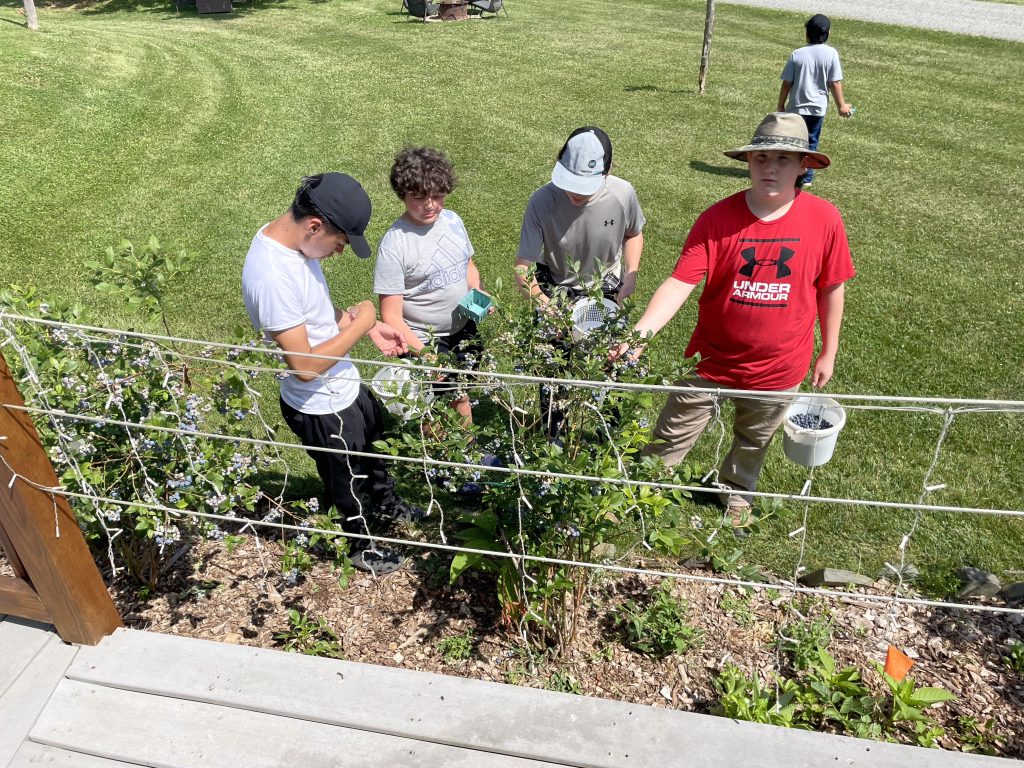
In addition to teaching students the dynamics of growing vegetables and managing sanitation, NAS offers a crash course in grape growing, explaining the common types of Vitis vinifera, their uses, and differences in production. They spend time in the vineyard discussing vine and soil health and how to spot problem areas.
“We do some tucking, some leaf pulling, talk about the canopy,” says Fabiolli. “We’re giving them the opportunity to understand how our plants work, because every plant is a little different, sometimes a lot different, and you have to learn each of those plants, what they need, and when.”
However, NAS offers more than just a hands-on outdoor farming experience. The program also provides mentorship and dives into the business of agriculture, like an entrepreneurial launch pad, teaching students the skills needed to start, grow, and maintain a farm or vineyard. They learn how to work with food banks, and, each year, NAS hosts fundraisers, giving students a chance to sell the products they’ve grown. “They’re learning and getting a task done. So there’s just this work ethic that we’re helping establish,” says Fabbioli. “They are just not learning a lot of this stuff in school, so we want to make sure to give them that opportunity to learn.”
While not every student that walks through NAS’ doors leaves out ready to launch a career as a farmer or winemaker, Fabbioli has helped a few students unlock their passion for agriculture. He recalls one particular student, Alex Bates, who has gone on to purchase a farm of his own in Gettysburg, Penn, while another, Kindra Dionne, has launched her own wine brand. Both NAS alumni are still involved in the organization and have returned to share their stories with new students.
“The NAS taught me wine marketing, customer service, and the art of collaboration,” says Dionne, who owns the DC-based wine company, Fifty Leven Collection. “Doug always used to say that a rising tide raises all ships, and it lives rent-free in my head. So now I always try to share with my peers.”
A student of NAS’ 2020 cohort, Dionne is one of many people to pass through NAS and leave inclined to start a career in some form of agriculture, whether it be traditional farming, animal husbandry, or within the wine industry. Dionne says that the school inspired her to enter the wine industry and gave her the resources necessary to understand and navigate the territory as an entrepreneur. “The wine industry can be overwhelming, but because of the guidance and support I received, I’ve been able to navigate the challenges,” says Dionne.
Agriculture education is NAS’ primary focus, but Fabbioli says ensuring that the people who come through the program leave with life skills that can be beneficial for them beyond farming is what’s most important. “All these pieces kind of fit together, and, even if the kids don’t want to go into agriculture, they’ve learned leadership. They’ve learned how to work with others, and they’ve hopefully gained an appreciation for where their food comes from and the work that goes into it and that,” says Fabbioli.
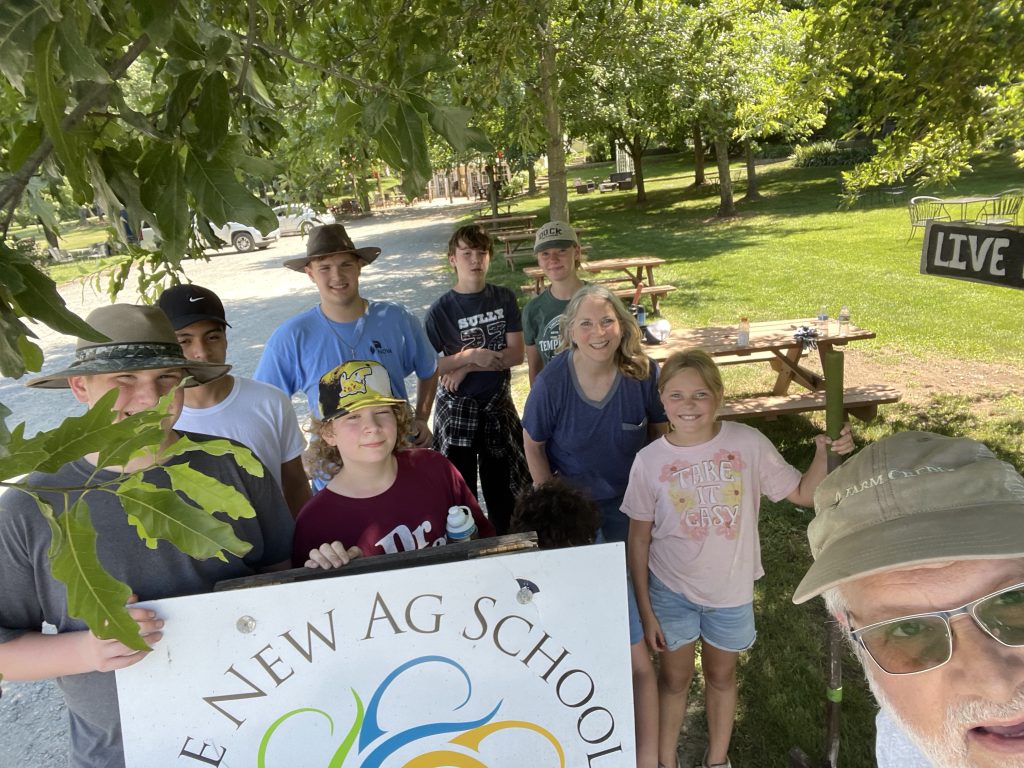
Although NAS is just one of many coalitions providing educational resources, workshops, and advocacy for young and aspiring farmers, Fabbioli notes that more is needed to motivate a younger generation of farmers.
“Everywhere around the world, wherever there is a culture, there is agriculture,” says Fabbioli. “There’s food. There’s wine. Everybody farms. On every continent, some kind of culture has to have a way to get food. That’s the way cultures were established, and it was the farmer that helped do it. The average age of today’s farmer is 60. That’s not good. If we don’t do something to change that, what happens to our culture?”