


Courage and Craft: Revisiting the Berlin Tasting 20 Years Later


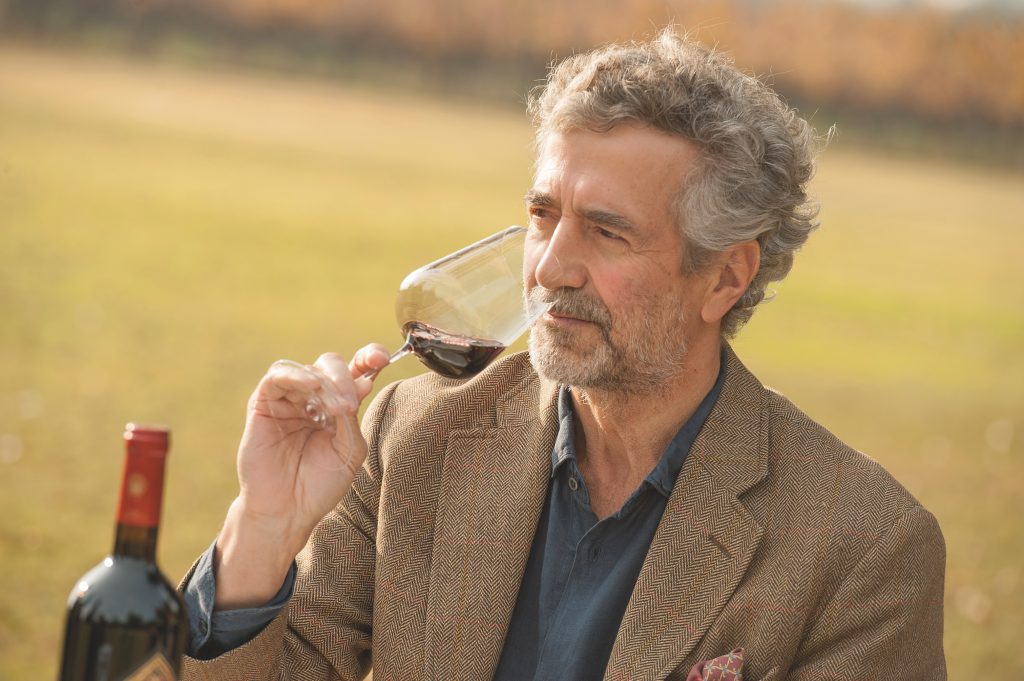
In 2004, Eduardo Chadwick took a bold risk that would redefine the global perception of Chilean wine. Inspired by the famed 1976 Judgment of Paris, Chadwick hosted the Berlin Tasting—a blind wine competition in which his Chilean wines were pitted against some of the most revered names in the wine world, including Château Lafite and Sassicaia. The stakes were high, and the results were historic: his Viñedo Chadwick 2000 and Seña 2001 took first and second place, beating out classic wine icons in an upset eerily reminiscent of the 1976 tasting that would forever alter the trajectory of California wines. This moment wasn’t just a victory for Chadwick—it, too, was a seismic shift for Chilean wine, proving it could rival the best on the global stage.
“The Berlin Tasting served notice that Chile’s vineyards were capable of producing fine wines that could stand alongside the most celebrated bottles from Bordeaux and Tuscany,” notes Christopher Waters, wine journalist for The Globe and Mail. “Subsequent tastings confirmed that the results weren’t a fluke.”
This courageous leap was more than a competition because it untapped the potential of Chile’s terroir and craftsmanship, and redefined an entire nation’s story in the wine world.
Eduardo Chadwick: The Visionary Behind the Revolution
Eduardo Chadwick’s story begins with Viña Errázuriz, his family’s pioneering winery, which was instrumental in shaping Chile’s early wine industry. Building on this foundation, Chadwick’s mission was clear: Like many others aiming to put a region on the map, he sought to elevate Chilean wine from its reputation for value and simplicity to a place of prestige and complexity.
His portfolio reflects this ambition. Viñedo Chadwick, a Cabernet Sauvignon from the Maipo Valley, honors his father’s legacy with its structured elegance. Seña, a Bordeaux-style blend created in collaboration with Robert Mondavi, marries Old World finesse with Chile’s bold terroir. Then there’s Kai, a celebration of Carmenère—the grape Chile rediscovered and made its own. These wines represent Chadwick’s vision and they embody the evolution of Chile as a world-class wine producer.
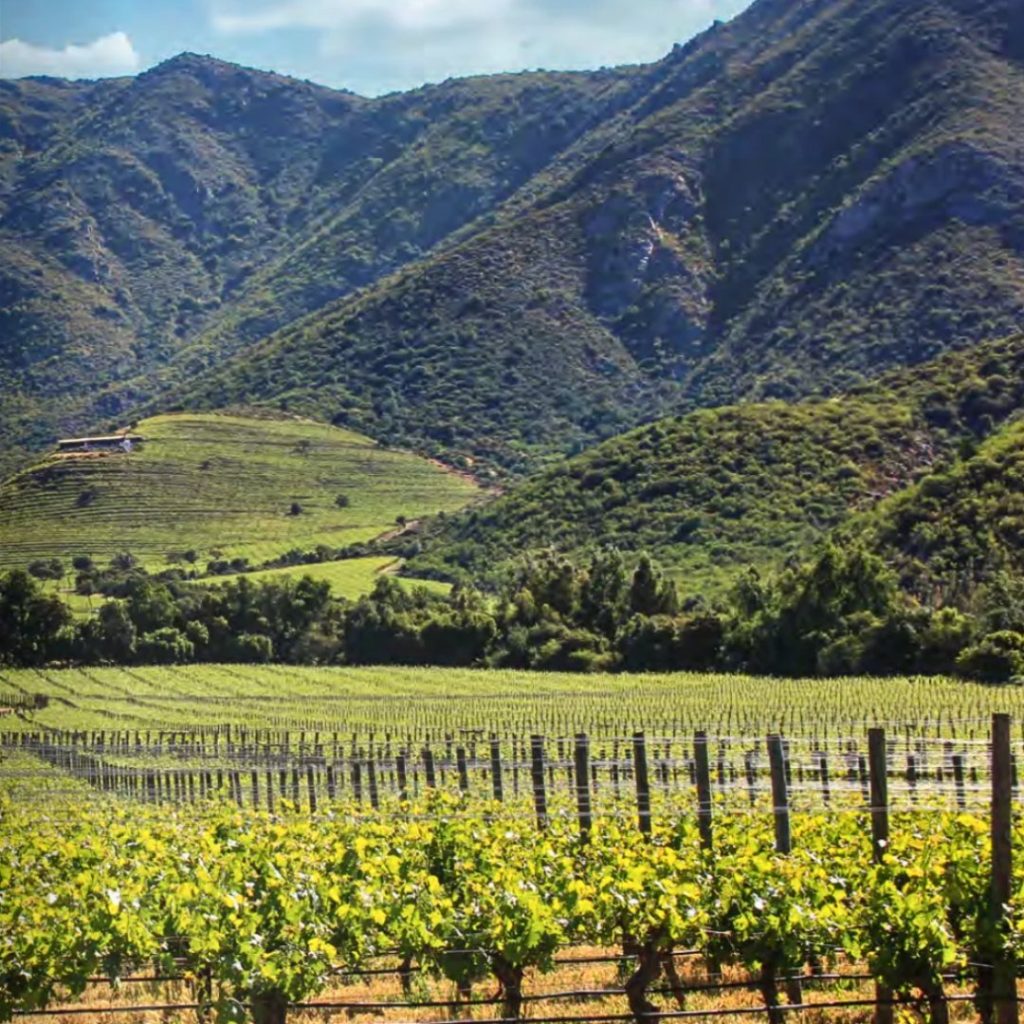
Unfortunately, however, “The promise of ‘if you build it, they will come’ didn’t work for Eduardo Chadwick,” says Waters. “Even a joint venture with Mondavi to create Seña didn’t lure influential visitors. He needed to take his wines to the world and present them in a competitive environment.”
Chadwick’s approach reflects his deep understanding of wine’s role as a cultural ambassador. By crafting wines that celebrated Chile’s unique terroir, he invited the world to see beyond the country’s reputation for affordable, approachable bottles.
A Defining Moment in Wine History
The Berlin Tasting was a moment of calculated risk and vulnerability. Chadwick showcased his wines directly alongside the best in the world, challenging global critics, sommeliers, and buyers to re-evaluate their assumptions. This wasn’t just about winning; it was about proving that Chilean wines deserved a seat at the table.
“The results of the Berlin Tasting encouraged the Chilean wine industry to confidently craft wines that could stand among the best,” says Carmelo Giardina, founder of VineRoutes. “It was a moment that inspired Chilean winemakers to shift their focus from volume to quality.”
20 Years Later: Tracing the Evolution of Greatness
Two decades after the Berlin Tasting, I had the privilege of revisiting these wines and their newer vintages. Tasting them side by side, I was struck by their evolution—not just in terms of flavor but in what they continue to symbolize. Viñedo Chadwick and Seña have matured into wines of quiet confidence, with deep fruit, silky tannins, and layers of complexity that speak to their heritage.
The 2000 Viñedo Chadwick, the wine that triumphed in Berlin, remains stunningly vibrant after 24 years. Its structure and elegance reflect not just the land it comes from but the persistence of a winemaker who dared to dream big. The newer vintages carry the same ambition, showcasing refinement and balance that reveals the wisdom of a maturing wine region.
“To taste vintages like the 2000 and 2014 side by side is like drinking time capsules,” reflects Giardina. “You can see how far these wines—and Chile—have come.”
Even newer offerings, like Kai, reflect Chadwick’s commitment to innovation. Celebrating Carmenère, a grape once mistaken for Merlot and now reclaimed as Chile’s own, Kai embodies the spirit of a country finding its voice.
A New Identity for Chilean Wine
The Berlin Tasting changed the perception of Chilean wine globally and it inspired transformation at home. Chile’s wine industry shifted from a focus on high-volume production to a pursuit of quality and craftsmanship. Today, Chile stands as a country of dual identities: accessible yet aspirational, producing wines that range from approachable everyday bottles to collectibles worthy of cellaring.
This transformation is perhaps best captured in the duality of Chadwick’s wines. On one hand, they’re rooted in tradition, paying homage to Chile’s history. On the other, they’re daring and innovative, pushing boundaries and redefining what fine wine can be.
“The Berlin Tasting marked a shift not just in recognition but in ambition,” says Giardina. “It showed Chile that it could aspire to be both a producer of value and a leader in quality.”
A Dream Realized
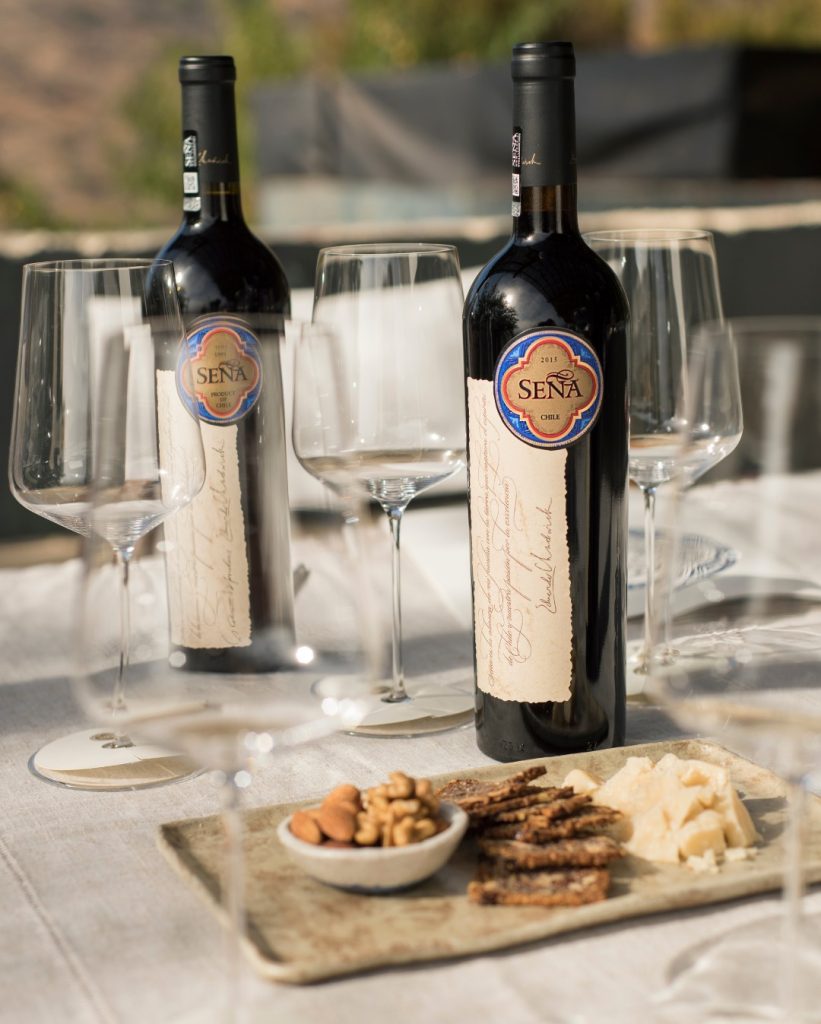
Eduardo Chadwick’s vision extended beyond accolades or recognition. He sought to tell a new story for Chilean wine, one rooted in respect for its land and fearless innovation. The Berlin Tasting was just the beginning. Today, Chadwick’s wines and the movement he inspired continue to push boundaries, showing the world that greatness isn’t about where you come from but what you dare to believe.
As I reflect on these wines, I’m reminded that wine is more than just a drink. It’s a story, a legacy, and a testament to the courage to dream. Each glass carries the weight of that pivotal moment in Berlin and the years of dedication that followed. It’s a reminder that, like Eduardo Chadwick, we can all aspire to transform the narrative—whether it’s of a wine, a country, or ourselves.